
Bringing a camera on a road trip or vacation can be very simple, or it can be extremely complicated. The difference depends on the goals or reasons for the trip. Determining the purpose of the camera within the trip will also determine the gear needed. For example, if the camera will only be used occasionally, or will be to record spontaneous casual photos, most of the time the camera in your cell phone will work just fine. You want to record the high points of your trip, rather than devoting significant amounts of time to produce that unique professional-quality photograph. But, if the primary purpose of the trip is to search for those unique photo opportunities, you’re probably going to want to bring a large bag of gear. Your goals directly impact your equipment choices.

I’ve written previously about incidental photography while on a road trip or vacation (https://awriterandphotographer.com/incidental-photography-on-a-trip/). In many situations, the casual (or even semi-professional) photographer will be well served by packing a compact, bridge, or super-zoom style camera. Just as the quality of cell phone cameras have improved exponentially in the last decade, so have the capabilities of these seemingly simple cameras. Cell phone cameras can certainly be useful during travel, particularly for quick, candid photos. Most adults, and many teens, and even some children, have this good photo alternative in their hands or pocket. Phone cameras are convenient and will usually shoot a completely adequate photo. Phones often even contain a basic photo editing function that can adjust the borders, possibly augment colors, or have some preset effects. And there are a number of very good photo editing apps that can be downloaded to enhance your images. Phones are definitely useful but probably are not as capable as a dedicated camera.
As one begins to look at basic cameras, there are a wide variety of choices and price points within each category. Capabilities increase every year and the lines of separation also become more blurry. A compact camera usually has fixed parameters (shutter speed, focal length, and ISO) but may have some menu presets for basic photo styles (portrait, flowers, landscape) as well as an internal flash capability. Compacts usually take excellent photos within their design envelope. The various modes can provide a way to compensate for a lack of photographer adjustments of shutter speed, focal length, or ISO. They are small and unobtrusive, usually a little bigger than a deck of playing cards. The compact is a great choice that is often one step more capable than a cell phone camera.
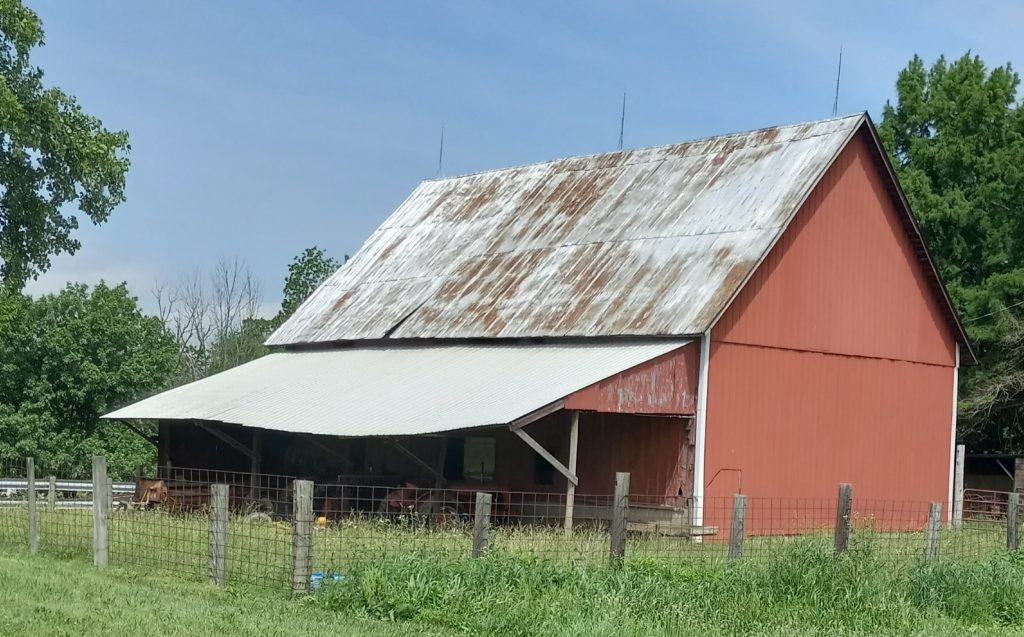
Bridge cameras are closer to an interchangeable lens camera and will usually have a built-in lens with some degree of adjustability, often in the 25 – 100 mm range, sometimes a bit longer. Like the compact, a bridge will usually have some internal presets for specific photo styles which can even include a night mode. Additionally, a bridge will allow for a range of adjustments of shutter speed and ISO, as well as the focal length. A bridge camera will usually produce excellent photos and over a wider range of conditions. A so-called super zoom will sit at the top of the bridge category. These cameras can out-perform some lower priced interchangeable lens cameras, even though it only has a single built-in lens. However, that lens often has extreme capability, usually in the 25 – 1,500 mm range, thanks to digital technology. This wide range of focal lengths allows a photographer to reach out to some very long distances for surprisingly good bird and wildlife images while still allowing for wide angle shots as well. Adjustments of shutter speed and ISO are usually standard as well. This gives a photographer on the move an alternative that is lighter and smaller overall.
When photography is not the primary reason for a road trip, a more basic camera is a great choice. A call phone, compact, or bridge camera will often produce excellent images that are perfect for family memories and social media posts. Depending on the inclinations and skills of the photographer, sometimes professional quality photos can be produced as well. A basic camera can be an important addition to a road trip.