
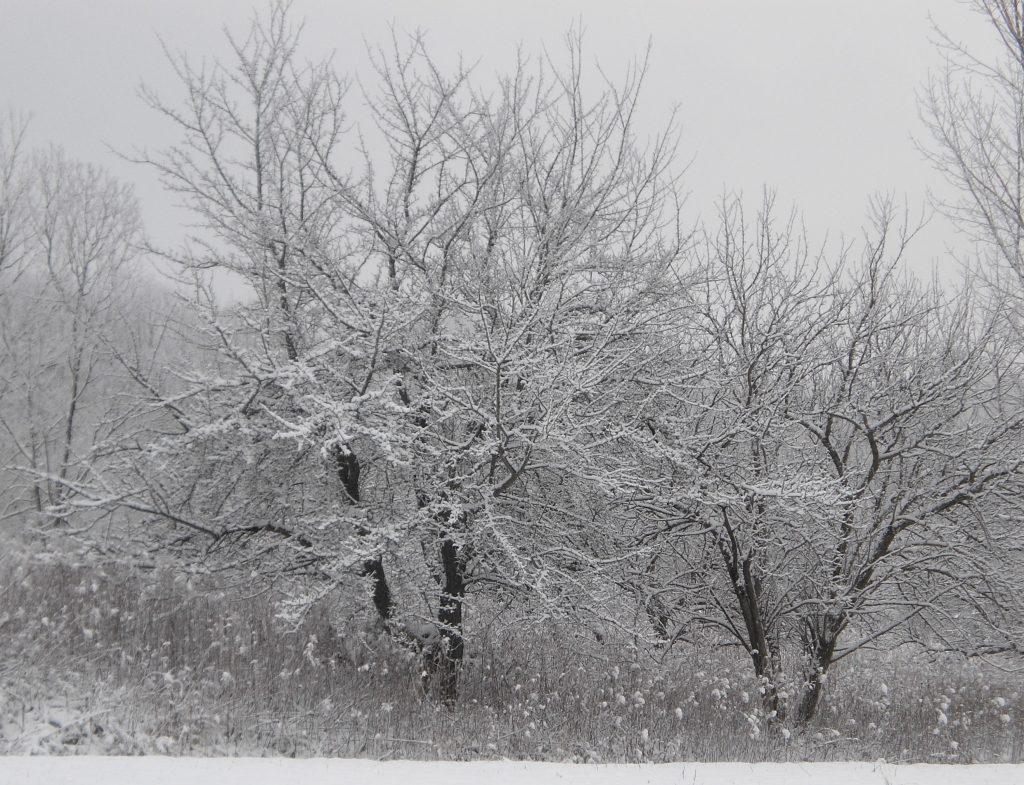
“Winter stays long this high”, says Will Geer as the character “Bear Claw Chris Lapp” near the end of the movie “Jeremiah Johnson”. As we move from January through February some years the winter seems to already have been long and cold. Often this period of of winter brings the deepest cold and the early sunsets coupled with the late sunrises begin to wear on our psyches. Snow piles up deeper and deeper as the snowbanks on the sides of the roads make travel a bit more difficult due to the decreased sight lines. Cabin fever becomes a reality due to spending less time outside and we look for ways to cope with a long, dark, cold winter.
The fireplace that seemed so cozy a few months ago does not bring the same joy now. Books that we looked forward to reading during winter feel like a weight of obligation. We find ourselves losing patience more often and interpersonal friction seems to approach an all-time high. It’s no wonder that some of our retired neighbors forsake the northern winter and head to warmer, sunnier climates as a coping mechanism. “Punxatawny Phil” or some other folklore weather predictor has warned us to expect six more weeks of winter (at least). We’re starting to reach the end of our rope and wondering how big a knot we need to enable us to hold on a little longer.
This is the time of year where we begin to notice that when we see the sun that there appears to be some meager warmth accompanying the light. Sometimes the wind feels a little less biting. We can begin to see that contrary to our mental state, the winter may come to an end eventually. In the time we are outside we can hear the winter resident birds start to sing their courtship songs. If we are paying attention to the natural signs, we can recognize that winter is truly slipping away and spring is approaching.
Many of the songbirds singing their “courting songs” during maple syrup season really are in preparation for building nests and hatching eggs. Great horned owls usually hatch their eggs in late winter and one can hear them defending the owlets in their nests from incursions by ravens. Wild canines, like foxes and coyotes, also seem to be more vocal during this time. Deer continue to put forth the effort to dig through the slowly shrinking snow depth in our yards to access the dormant grass. On some days the precipitation that falls is in the form of rain rather than snow because the temperatures are warming more during the daylight hours. And we actually begin to notice the increasing daylight hours.
Just as winter follows autumn, spring will eventually follow winter. By paying attention to the natural world, we can see the signs of seasonal change. Some days we are able to respond to our cabin fever by spending some time outside without risking frostbite, or only going out to shovel snow. The icicles on our eaves melt in the warming sun rather than growing longer. When we notice these changes happening, we have tied our knot in that rope and we are able to hold on as we watch spring advance on the landscape.